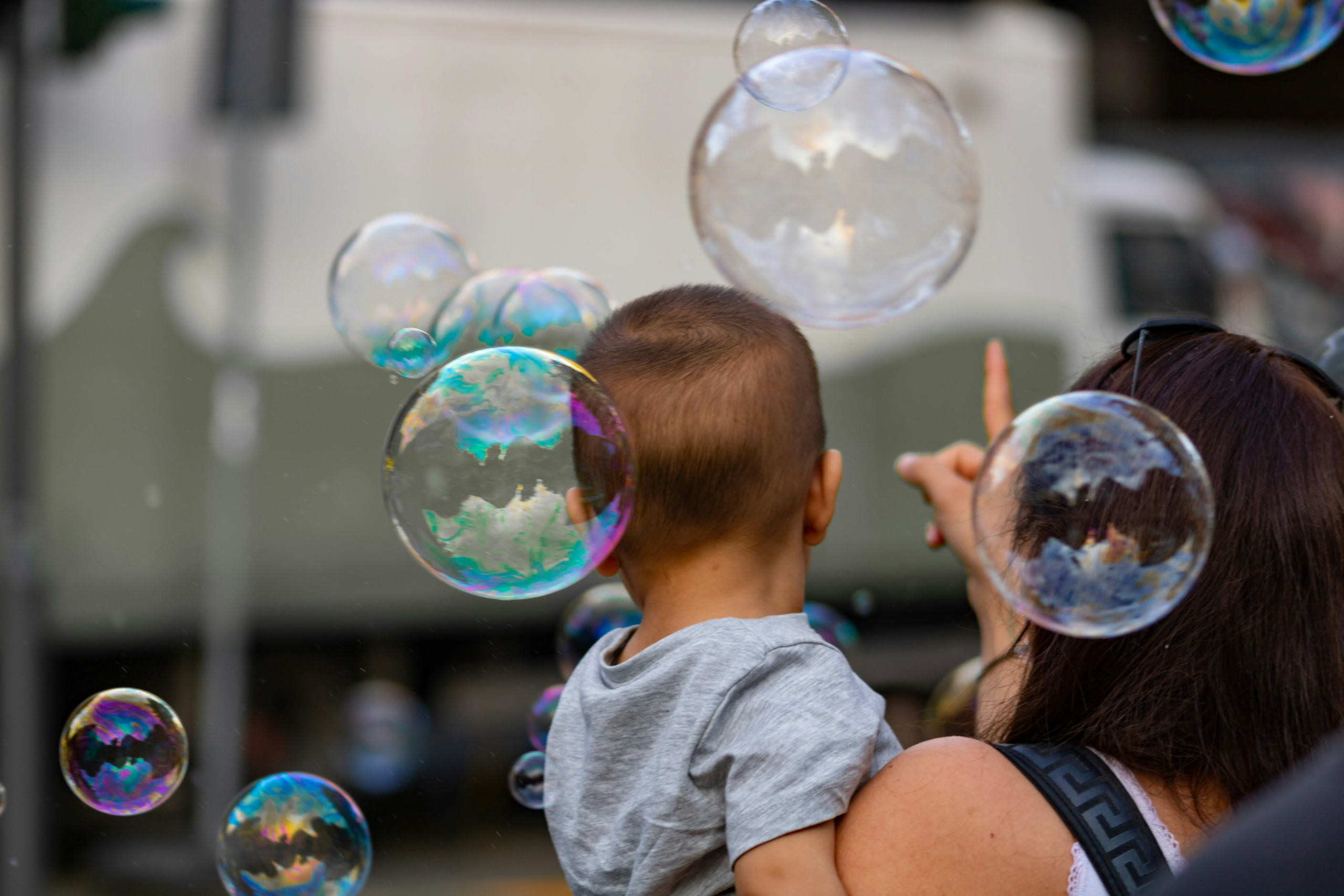
The environment a child grows up in, including family dynamics, relationships with parents, and general household atmosphere, has a powerful impact on their psychological well-being. A child’s development is greatly influenced by parental behavior. It’s nearly impossible in family life for a single individual’s conflict or negative mood to affect only themselves. Even newborns become anxious when they sense their mother is distressed.
Impact of Family Conflicts and Parental Behavior on Children
Children are deeply affected by chronic conflict, unfair treatment, and hostility within the family. Such dynamics lead to emotional problems, irritability, and even neurotic behavior. The events and tensions a child experiences in early life leave lasting impressions that shape their personality and behavior. Therefore, family issues and each parent’s individual struggles are not just private matters but are crucial factors in a child’s personal development.
Family conflicts can give rise to psychosomatic illnesses—conditions where psychological factors play a significant role in physical symptoms. Examples include headaches, vomiting, ulcers, cardiovascular issues, asthma, and more. Emotional problems like depression, anxiety, phobias, and behavioral issues can also stem from family discord.
Role of Identification with Parents
In psychology, the term “identification” refers to a process where children model themselves after someone they admire, often their parents. Children naturally strive to resemble or mimic their mother or father. However, this process is disrupted if a parent tries to “win over” the child or assumes they can replace the other parent entirely. For example, a separated parent who consistently tells the child that “your father is bad” can create emotional turmoil, leading to irritability, defiance, and aggression in the child.
When parents lack unity and a shared vision for the future, they risk splitting into two opposing camps, making the child feel caught in the middle and forced to take sides. This situation can lead to a harmful loyalty dilemma, where one parent’s desire to “win over” the child is seen as proof of their righteousness. The child may be used as a tool in these family disputes, manipulated to deliver emotional blows to the other parent.
This internalized conflict forces the child to choose a side, which may lead them to adopt a defensive role, such as “defender of mother” or “fighter for father’s rights.” Internally, this is extremely stressful, leading to persistent anxiety, guilt, and even neurotic disorders.
Impact on Gender Identity and Future Relationships
Divided family loyalties can distort a child’s understanding of gender roles and their own identity. In a healthy family, a mother and father model these roles. When conflict divides parents, it negatively impacts the child’s future relationships and sense of self, sometimes resulting in either difficulty assuming their own gender role or trouble forming relationships with the opposite sex.
For instance, if a mother and son unite against the father, it disrupts the son’s perception of the opposite sex. Emotional ties between mother and son may become overly close, creating a complex where the child views the other parent as a rival.
This can lead to future difficulties in the son’s relationships, as he may subconsciously compare romantic partners to his mother, leading to dissatisfaction and failed relationships.
How to Help
1. Parental Counseling: Work with a psychologist to help parents resolve conflicts, if possible.
2. Child Counseling: A psychologist can also help the child cope by:
o Reducing general anxiety and agitation levels.
o Teaching the child how to form a healthy perspective on parental conflicts and assess family dynamics objectively.
Supporting a child’s emotional health means acknowledging that family conflicts and personal issues of parents directly impact their development. By creating a nurturing and stable environment, parents can foster a healthier upbringing and more balanced future for their child.
'%3E%3Cg fill='%234A6CFA'%3E%3Cpath d='M2.067 4.281C1.111 5.524.409 6.942 0 8.456h6.243L2.067 4.281zM23.174 8.456c-.409-1.514-1.11-2.932-2.067-4.175l-4.175 4.175h6.242zM0 14.717c.409 1.514 1.11 2.932 2.067 4.175l4.175-4.175H0zM18.892 2.067C17.649 1.111 16.231.409 14.717 0v6.243l4.175-4.176zM4.281 21.106c1.243.956 2.661 1.658 4.175 2.067V16.93l-4.175 4.176zM8.456 0C6.942.409 5.524 1.11 4.281 2.067l4.175 4.175V0zM14.717 23.174c1.514-.409 2.932-1.11 4.175-2.067l-4.175-4.175v6.242zM16.931 14.717l4.175 4.175c.956-1.243 1.658-2.661 2.067-4.175h-6.242z' transform='translate(.413 .413)'/%3E%3C/g%3E%3Cg fill='%23FF3B30'%3E%3Cpath d='M23.9 10.435H13.565V.1c-1.039-.135-2.091-.135-3.13 0v10.335H.1c-.135 1.039-.135 2.091 0 3.13h10.335V23.9c1.039.135 2.091.135 3.13 0V13.565H23.9c.135-1.039.135-2.091 0-3.13z'/%3E%3Cpath d='M15.13 15.13l5.355 5.355c.246-.246.481-.503.705-.77l-4.584-4.584H15.13v-.001zM8.87 15.13l-5.355 5.355c.246.246.503.481.77.705l4.584-4.585.001-1.475zM8.869 8.87L3.514 3.515c-.246.246-.481.503-.705.77L7.394 8.87H8.87h-.001zM15.13 8.869l5.355-5.355c-.246-.246-.503-.481-.77-.705l-4.584 4.585-.001 1.475z'/%3E%3C/g%3E%3C/g%3E%3C/g%3E%3C/svg%3E)
 ქართული